






As temperatures continue to rise across the UK, more homeowners and businesses are looking for reliable ways to improve indoor comfort throughout the year. Water-cooled air conditioning unit is no longer seen as a luxury reserved for offices or hotels. It has become a practical solution for controlling indoor temperatures, improving air quality and creating more comfortable environments during both summer and winter.
However, not every property is suitable for a traditional air conditioning installation. In many buildings, especially older properties, flats, listed buildings and town-centre premises, installing standard outdoor condenser units can become difficult because of limited external space, planning restrictions, building layout or noise concerns. That is where water-cooled air conditioning systems can offer a far more practical and discreet alternative.
What Is a Water-Cooled Air Conditioning Unit?
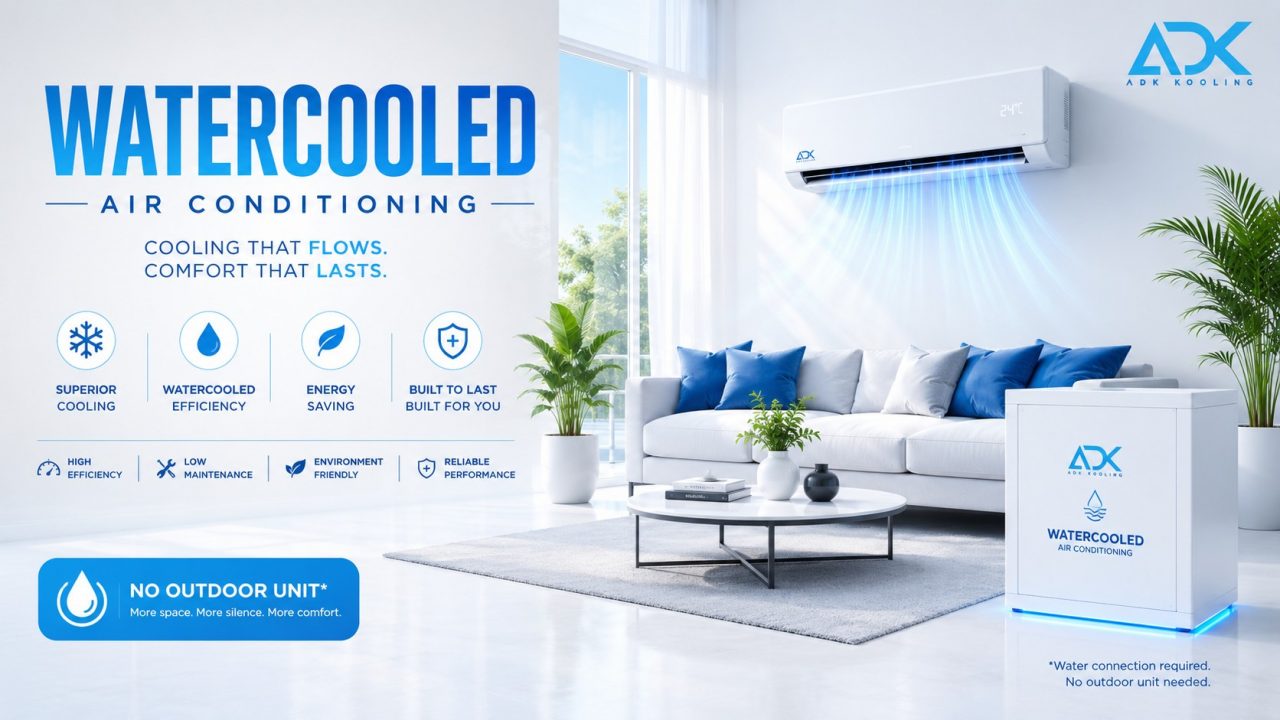
A water-cooled air conditioning unit removes unwanted heat using water rather than relying entirely on outdoor air. Traditional air conditioning systems normally transfer heat outside the property using external condenser units mounted on walls, rooftops or outdoor service areas. Water-cooled systems work differently by transferring heat through a water circuit instead. This means the system can operate with far less visible outdoor equipment, making it ideal for properties where external condenser placement may be difficult or restricted.
Water-cooled systems are commonly installed in:
• Flats and apartments
• Offices
• Restaurants and cafés
• Hotels
• Listed buildings
• Basement properties
• Modern refurbishments
• Town and city-centre properties
Why Water-Cooled Air Conditioning Unit Are Becoming More Popular in the UK
Many UK properties face challenges when it comes to installing conventional air conditioning systems. Some of the most common issues include:
• Limited outdoor installation space
• Planning restrictions
• Listed building regulations
• Noise concerns from neighbouring properties
• Shared access areas
• Restricted rooftop access
• Property layouts that make external condensers impractical
Because water-cooled systems rely less on large external units, they provide a much more flexible solution for these types of buildings. This is one of the reasons water-cooled air conditioning has become increasingly popular in both residential and commercial properties across the UK.
One of the Biggest Advantages: Discreet Water-cooled Air Conditioning Unit Installation
One of the main reasons people choose water-cooled air conditioning is because the installation is far more discreet. Traditional air conditioning systems often require visible outdoor condenser units, which can affect:
• The appearance of the building
• Available outdoor space
• Noise levels
• Planning approval
Water-cooled systems reduce the need for bulky external equipment, helping properties maintain a cleaner and less intrusive appearance. This can be especially beneficial in conservation areas, listed buildings and modern developments where aesthetics matter.
Quiet Operation and Better Indoor Comfort
Noise levels are an important consideration in both homes and commercial buildings. Because water-cooled systems rely less on large external fans, they are often quieter than many traditional air-cooled systems. This makes them particularly suitable for:
• Bedrooms
• Flats and apartments
• Offices
• Hotels
• Meeting rooms
• Customer-facing environments
Quieter operation can improve overall comfort whilst also reducing potential issues with neighbouring properties.
Energy Efficiency and Cooling Performance
Modern water-cooled air conditioning systems can operate very efficiently when correctly designed and maintained. Water transfers heat more effectively than air, which can help maintain stable indoor temperatures and consistent cooling performance. However, overall efficiency depends heavily on:
• Correct system sizing
• Professional installation
• Property layout
• Insulation quality
• Ongoing maintenance
A properly designed system will always perform more effectively and operate more efficiently long term.
Maintenance and Servicing Requirements
Like all air conditioning systems, water-cooled units require regular servicing to maintain performance and reliability. Routine maintenance may include:
• Checking water flow
• Inspecting heat exchangers
• Monitoring system pressure
• Cleaning internal components
• Inspecting pumps and valves
• Preventing scale build-up
Ignoring regular servicing can lead to:
• Reduced cooling performance
• Higher running costs
• Increased energy usage
• Water leaks
• System breakdowns
Preventive maintenance is always more cost-effective than emergency repairs.
Common Signs a Water-Cooled System Needs Attention
Several warning signs may indicate a water-cooled air conditioning system requires servicing or repair. Common issues include:
• Reduced cooling performance
• Rising electricity bills
• Poor airflow
• Water leaks
• Inconsistent temperatures
• Unusual noises
• System short cycling
If these issues are ignored, larger faults can quickly develop and lead to more expensive repairs later.
Water-Cooled vs Traditional Air-Cooled Systems
Water-cooled systems are often better suited to:
• Buildings with limited outdoor space
• Listed and older properties
• Flats and apartments
• Noise-sensitive environments
• Discreet installations
Traditional air-cooled systems are often better suited to:
• Standard residential properties
• Simpler installations
• Buildings with suitable outdoor space
• Lower upfront installation costs
The correct solution always depends on the property itself and the installation requirements.
Is Water-Cooled Air Conditioning Right for Your Property?
So, Water-cooled air conditioning is not always the first option people consider, but in the right environment, it can be one of the most effective and practical cooling solutions available. It is particularly useful where:
• Outdoor installation space is limited
• Planning restrictions apply
• Noise reduction is important
• A discreet installation is preferred
• Traditional condensers are not practical
Every property behaves differently, which is why professional advice is important before installation begins.
Speak to Air Conditioning Specialists
Choosing the right air conditioning system starts with understanding the property properly. A professional survey can help assess:
• Cooling requirements
• Installation possibilities
• Property limitations
• Long-term running costs
• Overall system suitability
With the correct design and installation, a water-cooled air conditioning system can provide reliable, efficient and discreet climate control for many years.