






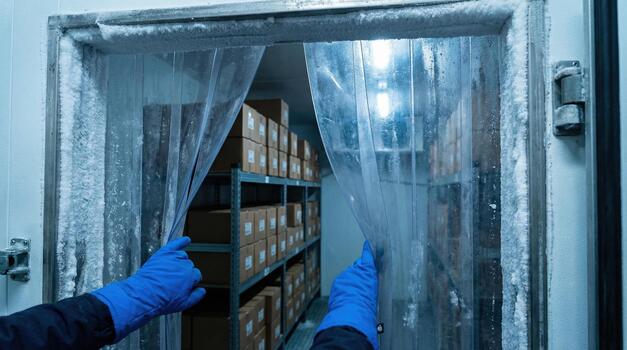
A cold room is usually noticed a bit too late. Everything seemed fine earlier. The cold room was holding temperature, stock was safe, no alarms, no obvious signs of trouble. Then someone walks in and pauses.
“It doesn’t feel right in here.”
You check the display. The temperature is higher than it should be. Not massively at first — just enough to raise concern. But give it another hour, and it’s climbing.
Now it’s a problem.
A cold room working normally and then suddenly getting warm is one of the most frustrating faults to deal with because it feels unpredictable. One minute, everything is stable; the next, you’re dealing with potential stock loss, disruption, and pressure to act quickly. The key thing to understand is this: systems don’t usually fail without reason. When a cold room temperature rises suddenly, something has changed — either mechanically, electrically, or in the way the system is operating.
When It Happens Suddenly, Start Thinking About What Changed
If the cold room has been running fine and then quickly starts warming up, the cause is often linked to something that’s just happened.
Power issues are one of the first things to consider. A brief interruption in supply, even a small one, can stop the system from running properly. In some cases, the unit may not restart automatically, leaving the room to slowly warm without anyone noticing straight away.
Then there’s the compressor — the part of the system responsible for actually doing the cooling. If that stops working, even briefly, the temperature inside the cold room begins to rise quite quickly. From the outside, the system might still look like it’s running, but without proper cooling taking place.
Another common situation is airflow being affected. If fans stop working or become restricted, cold air isn’t circulated properly. You might find certain areas of the cold room getting warmer faster than others, even though the system itself hasn’t completely shut down.
The Hidden Culprit: Condensate and Safety Shut-Offs
One issue that catches a lot of people out is condensate build-up.
Cold rooms naturally produce moisture as part of the cooling process. That water needs somewhere to go. If the drainage system becomes blocked, or a pump fails, the system may shut itself down to prevent water damage.
From your point of view, it looks like the cold room has simply stopped cooling. But in reality, the system has done exactly what it’s designed to do — protect itself.
It’s a small component causing a much bigger problem.
Why It Often Feels So Sudden
In truth, many of these faults don’t appear instantly. They build quietly in the background.
- A filter gradually becomes blocked.
- A component starts to wear out.
- A system begins to struggle under load.
But you don’t notice it until the point where performance drops enough to affect temperature.
That’s why it feels sudden — even though the issue has been developing over time.
When the Cold Room Starts Warming, Time Matters
Once the temperature begins to rise, the focus shifts quickly.
It’s no longer just about the system — it’s about what’s inside it.
Food, stock, and temperature-sensitive goods all have limits. The longer the cold room stays above its set temperature, the greater the risk.
In busy environments like restaurants, commercial kitchens, or storage facilities, this can escalate quickly. What starts as a technical issue becomes a business problem within hours.
What You Can Do Straight Away
If you notice your cold room getting warm, there are a few practical steps you can take while arranging a proper fix. Keep the door closed as much as possible. Every time it’s opened, warm air enters and makes the situation worse. It sounds simple, but it makes a real difference.
Avoid adding new stock to the room. Introducing warmer items increases the internal load and pushes the temperature higher. If possible, check whether the system is actually running. Listen for the outdoor unit, check the controller, and see if anything looks obviously out of place.
But beyond that, it’s about acting quickly rather than guessing.
When It Needs an Engineer
If the cold room temperature is rising and not recovering, it’s time to get it looked at properly.
These systems are designed to maintain stable conditions. When they can’t, there’s always a reason — and it’s rarely something that resolves itself.
Delaying the call often makes things worse, not better.
Stopping It from Happening Again
Most situations like this come down to one thing: lack of routine attention.
Cold rooms work hard. They run for long hours, often without interruption. Over time, small issues develop — and without maintenance, they eventually show up as bigger faults.
Regular checks help prevent:
- Blocked drainage systems
- Airflow restrictions
- Component wear is going unnoticed
- Sudden shutdowns
It’s not about overcomplicating things. It’s about keeping the system in a condition where it can do its job reliably. A cold room doesn’t just stop working for no reason. When it goes from holding temperature to getting warm, it’s a sign that something has shifted — and that shift needs attention. The sooner it’s understood, the easier it is to fix. Leave it too long, and it becomes something else entirely.
Need Help Quickly?
If your cold room is getting warm and you need it sorted properly, don’t wait for the situation to escalate.
Call ADK Kooling on 020 3909 9729
We’ll identify the issue and get your cold room back to the temperature it should be.